
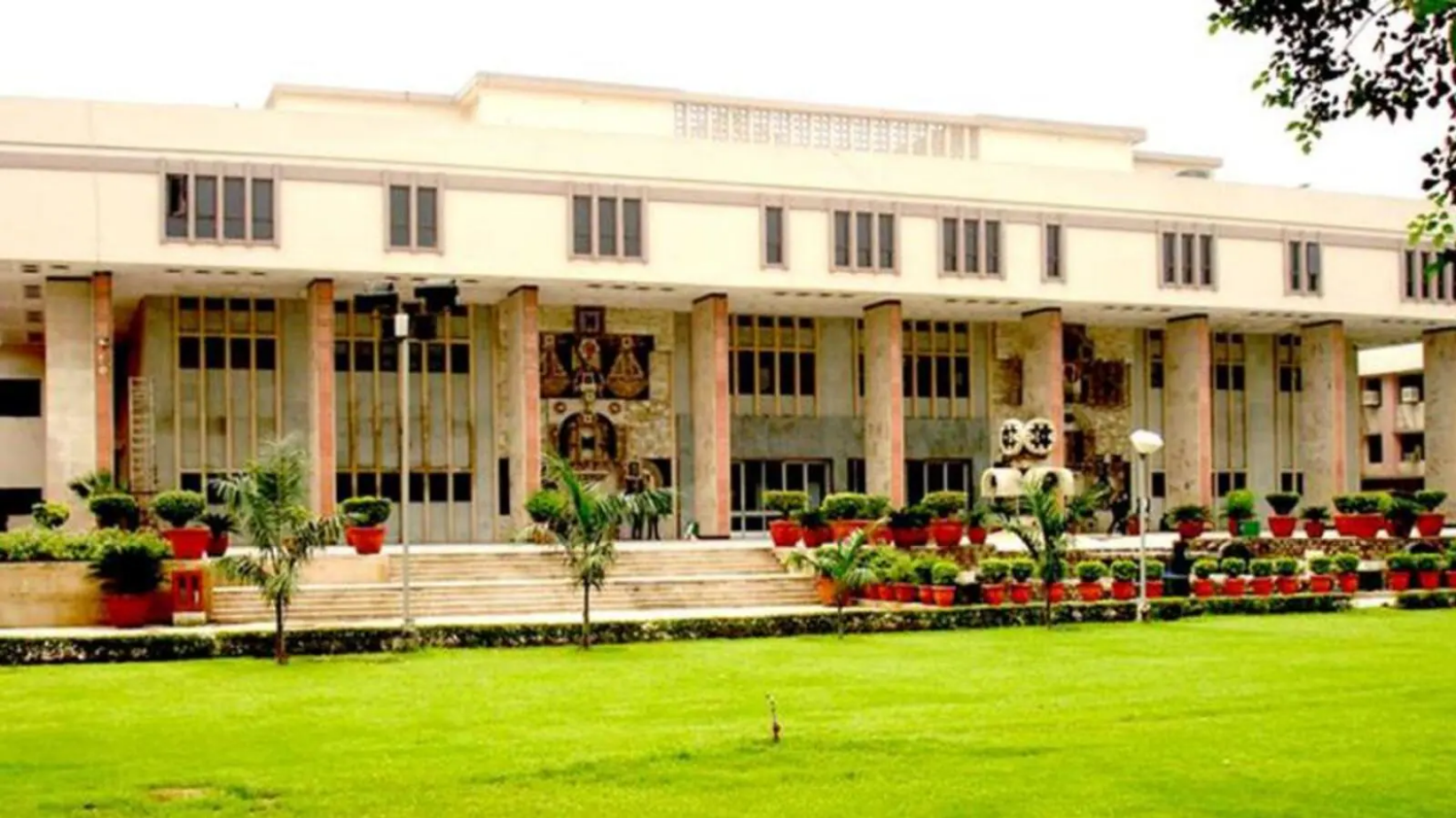
Recently, the Delhi High Court emphasized that banks should not be tasked with the role of developers or authorities to ensure the completion of real estate projects. The court, comprising Chief Justice Satish Chandra Sharma and Justice Subramonium Prasad, made this observation while hearing a suo motu PIL plea initiated from a letter. The letter sought directions to the Centre for devising and implementing a comprehensive scheme to address the grievances of home buyers who have availed home loans but have not yet obtained possession of their flats. These buyers continue to pay monthly EMI instalments and are unable to claim tax benefits on the interest amounts.
The letter alleged collusion between banks, the government, and builders against the public interest. It urged that banks should be held accountable for delays in real estate projects since they only sanction loans for verified projects after thorough scrutiny.
In its decision on March 13, the high court noted that in cases of incomplete projects, banks have the option to approach the National Company Law Tribunal under the Insolvency and Bankruptcy Code, 2016. They can seek the appointment of an insolvency and resolution professional (IRP) to revive the project and ensure its completion, as banks are also eager to recover their funds.
The court emphasized that the issues raised by the complainant need to be addressed to protect the interests of home buyers and banks dealing with public funds. It stressed that banks cannot be transformed into developers or authorities responsible for project completion. Apart from remedies under the Insolvency and Bankruptcy Code, 2016, home buyers can approach the Real Estate Regulatory Authority (RERA) to ensure project completion.
Additionally, the court examined the Reserve Bank of India’s response and a 2015 master circular on loans and advances in housing finance. It noted the existence of a well-structured framework, including guidelines for banks on advancing loans to home buyers and maintaining loan-to-value ratios.

The court underscored that while RBI can guide banks to frame their loan policies, banks are expected to conduct basic due diligence during loan approval, disbursement, and recovery. It emphasized that banks must adhere to a schedule for disbursal and loan recovery, and take legal action against defaulting buyers through civil forums.
Furthermore, the court clarified that banks can flag borrowers for misutilization of loans, but it is the lenders’ responsibility to take appropriate legal action to ensure timely project completion.