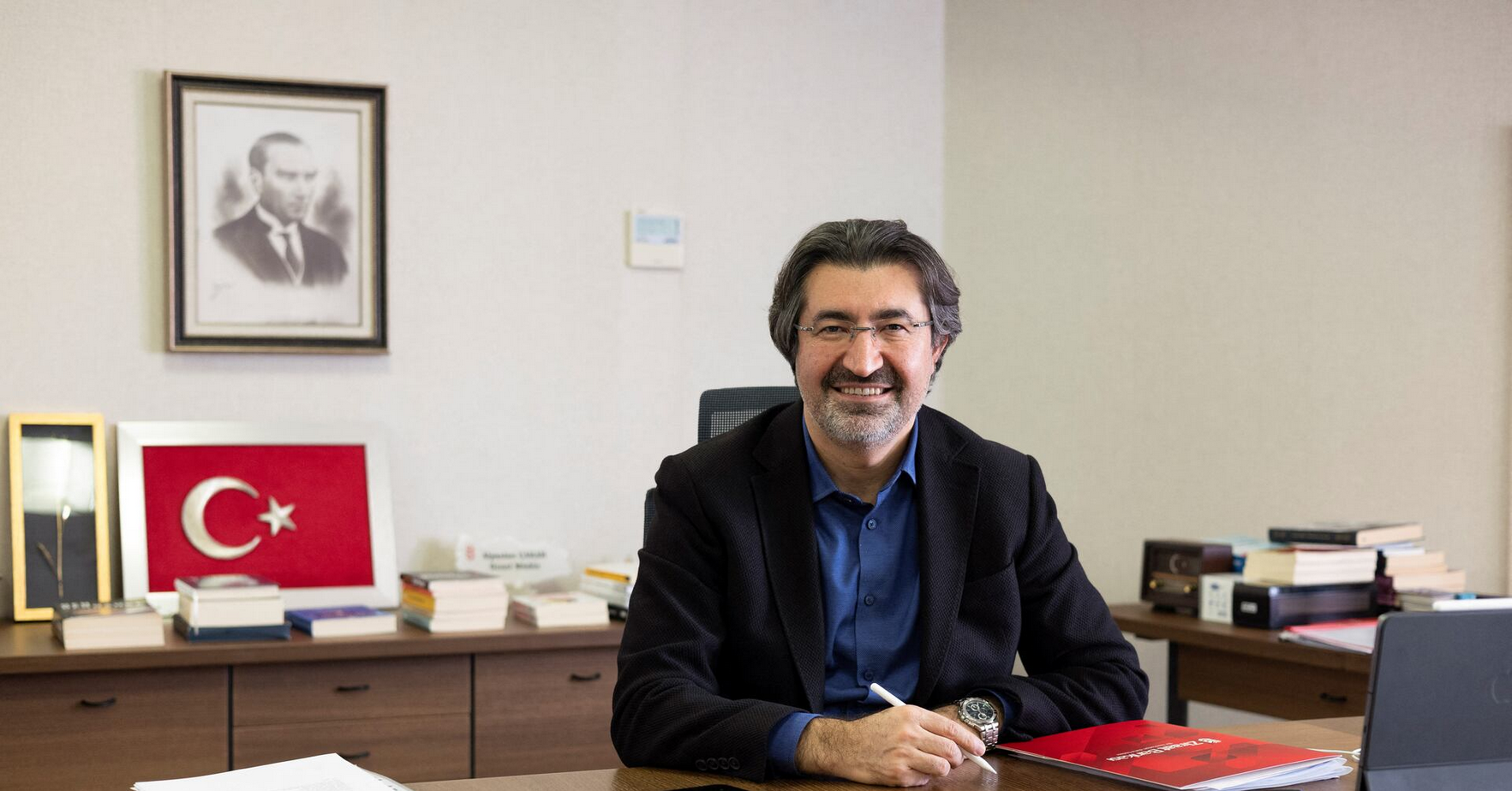
Turkey’s Ziraat Bank is poised to play a pivotal role in President Tayyip Erdogan’s strategy to enhance economic growth and address persistent current account deficits this year, according to the bank’s CEO Alpaslan Cakar. Cakar, who also chairs the Turkish Banks Association, emphasized the significant contribution of state-owned banks like Ziraat to the economy, highlighting their ongoing efforts to pay dividends in 2023 despite the introduction of various bond-holding regulations. He reassured about the resilience of the economy, underlining that credit would continue to fuel key sectors such as manufacturing and agriculture.
Erdogan’s “new economic model,” initiated in 2021, prioritizes growth, investment, and exports to counter Turkey’s long-standing trade imbalances, a critical aspect of the current account. This model relies on targeted loans and low-interest rates, aligning with Erdogan’s unconventional view that rate cuts mitigate inflation. Cakar affirmed Ziraat’s commitment to supporting Turkey’s economic model, emphasizing the importance of bolstering capital reserves for this purpose.
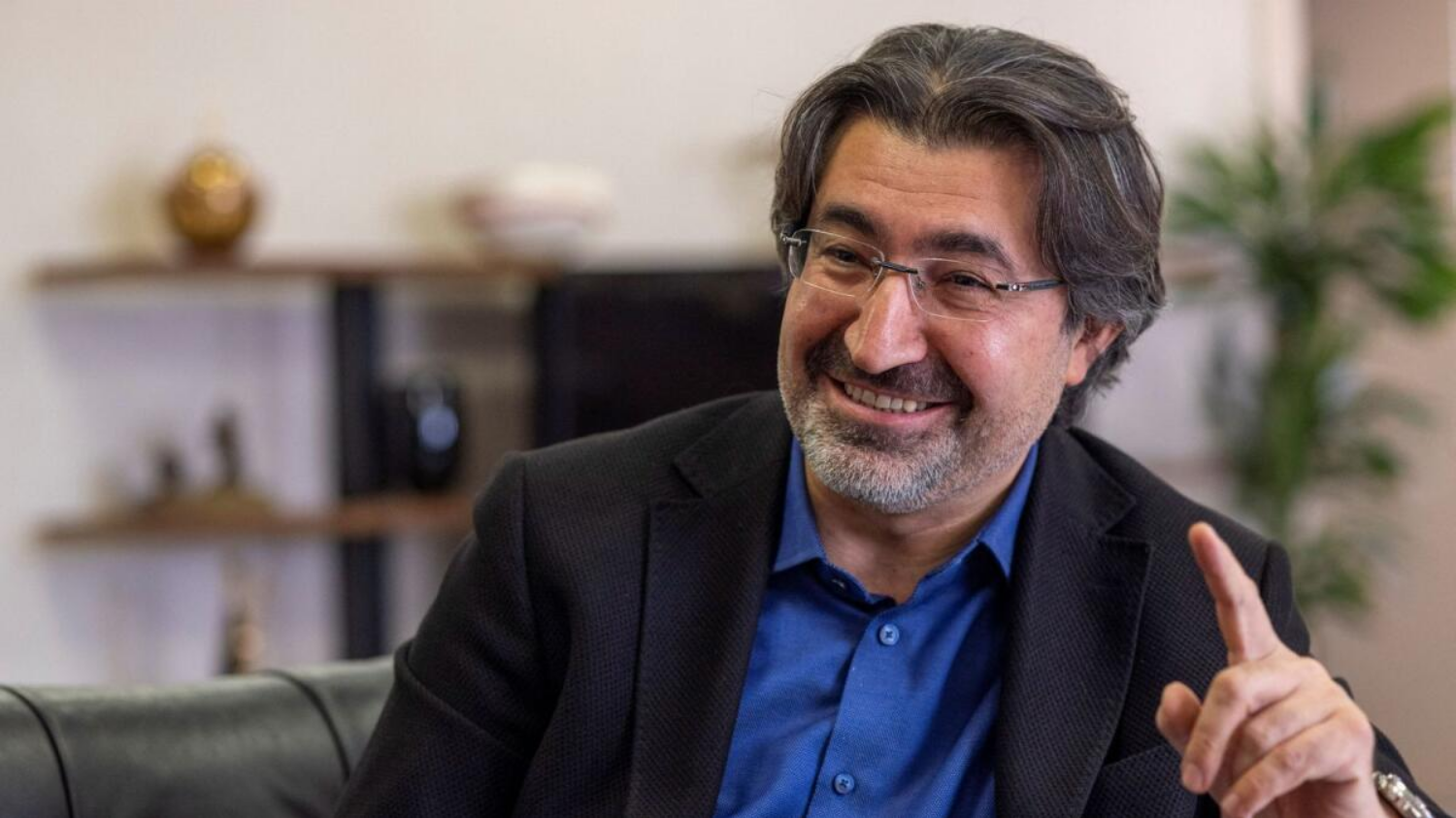
In December, reports surfaced indicating that state-owned banks were in discussions with government bodies to secure additional capital, aiming to ramp up lending ahead of forthcoming elections. Cakar revealed ongoing consultations on this matter, stressing the significance of reinforcing capital structures to support economic growth.
Although the economy expanded by 5% in 2022, growth prospects for 2023 remain uncertain, particularly with upcoming elections posing a significant political test for Erdogan. To bolster growth and align with Erdogan’s economic vision, the central bank has aggressively reduced interest rates, triggering currency depreciation and soaring inflation. State banks have played a crucial role in sustaining the economy through low-cost financing, contributing to their increased dominance in the financial sector and escalating capital requirements.
Addressing concerns about regulatory measures and bond holdings, Cakar expressed confidence that these would not pose significant risks to the bank’s balance sheet. He reiterated Ziraat’s commitment to selective lending, prioritizing key sectors like manufacturing, agriculture, and SMEs.
Furthermore, Cakar outlined Ziraat’s plans for international funding, including syndication renewal and Eurobond issuance, underscoring the bank’s proactive stance in securing funding and supporting economic development.