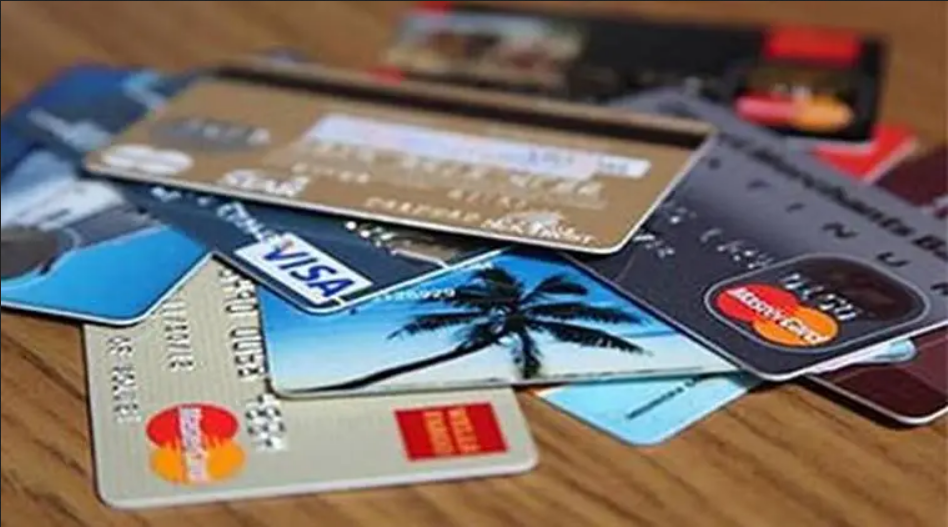
As digitization continues to reshape the financial landscape, credit cards have become an enticing addition to our wallets, offering convenience and a plethora of perks. They allow us to make purchases now and pay later, while also providing opportunities to save through cashbacks, discounts, and reward points. The offerings on credit cards vary widely from company to company and card to card, each designed to attract customers with tailored benefits.
Many people find themselves holding multiple credit cards due to the attractive offers and the easy availability of credit at reasonable terms. But is it truly beneficial to have multiple credit cards? And if so, how many is too many?
There’s no one-size-fits-all answer to how many credit cards one should have. While there are benefits to holding multiple cards, it also comes with added responsibilities. Mismanaging credit cards, whether you have one or several, can lead to increased debt, damage to your credit score, and difficulty obtaining future loans.
Your credit score is influenced heavily (about 80%) by three main factors: payment history, credit utilization, and length of credit history. Thus, how you manage your credit cards is more important than the number of cards you hold.
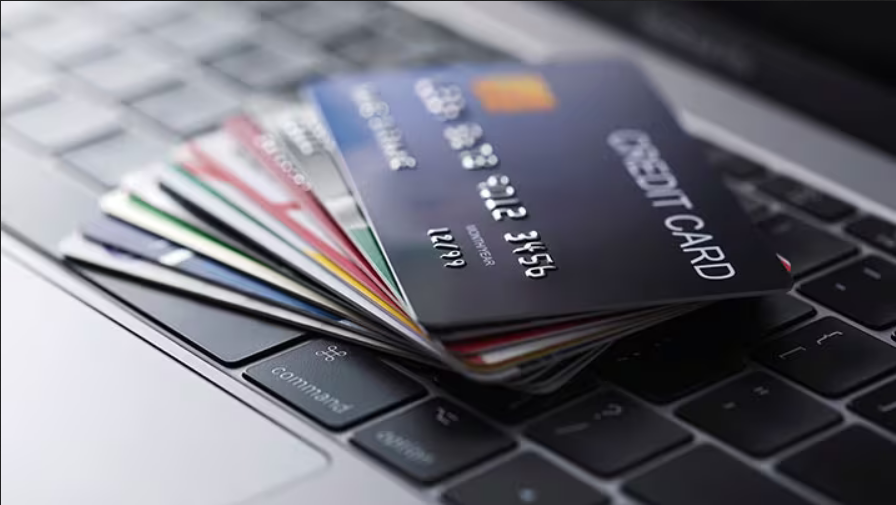
Benefits of Holding Multiple Credit Cards:
- Enhanced Benefits: Holding multiple cards allows you to access a wider range of benefits. From free lounge access at airports to rewards on specific purchases like air tickets, credit cards offer various perks. By strategically choosing cards based on your spending habits, you can maximize your rewards and savings.
- Lower Credit Utilization Ratio: Your credit utilization ratio (CUR) compares your outstanding balance to your total credit limit. Maintaining a low CUR (ideally below 30%) is crucial for a healthy credit score. If your spending approaches your credit limit on one card, having multiple cards can help distribute your expenses, keeping your CUR lower on each card and potentially boosting your credit score.
- Backup in Emergencies: Not all cards are accepted everywhere, especially when traveling abroad. Having a backup card can provide financial security during emergencies or unexpected situations. Additionally, it can offer peace of mind knowing you have an alternative payment method available.
Points to Consider:
- Choose Wisely: Before acquiring a new credit card, assess its purpose and benefits. Avoid redundant cards that offer similar perks, and be mindful of adding unnecessary financial obligations.
- Pay Bills in Full and On Time: Managing multiple cards means keeping track of multiple billing cycles. Set up automatic payments or reminders to ensure you clear your bills in full before the due date to avoid costly interest charges.
- Control Spending: Access to multiple credit cards may tempt you to overspend. Stick to a budget and consider setting spending limits on each card to prevent excessive spending.
Ultimately, holding multiple credit cards can offer several advantages if managed responsibly. By understanding the benefits and risks associated with each card, you can make informed decisions to optimize your financial well-being.